
Get In Touch
Why Two Homes of the Same Size Can Have Very Different Construction Costs
Many homeowners are surprised when they discover that two houses of the same plot size and built-up area can have very different construction costs. A 2,000 sq. ft. home built on one plot may cost significantly more—or less—than another 2,000 sq. ft. home just a few streets away.
So why does this happen?
The answer lies not in size, but in construction decisions, engineering depth, material quality, and long-term planning. Let’s break it down simply.
1. Foundation Design Depends on Soil, Not Square Feet
Two plots of the same size can sit on completely different soil conditions.
Soft or loose soil requires deeper foundations
Black cotton or water-retentive soil needs special treatment
High water table areas demand additional waterproofing
A stronger foundation means:
More excavation
More concrete and steel
More engineering input
All of this directly increases cost—but also prevents settlement and cracks in the future.
👉 Homes that look identical above ground may be very different below ground.
2. Structural Strength: Columns, Beams & Slabs Matter
Some homes are designed only for current needs. Others are designed to handle:
Future floors
Heavy interiors
Long-term structural safety
Key cost-impacting factors include:
Column spacing
Beam thickness
Slab design (solid slab vs ribbed slab)
Grade and quantity of steel
A structurally stronger home costs more upfront—but saves massively on:
Repairs
Retrofitting
Structural risks later
3. Quality of Materials Makes a Huge Difference
Not all materials are equal—even if they look the same.
Examples:
Branded cement vs local alternatives
TMT steel grades (Fe500D vs lower grades)
Manufactured sand vs untested river sand
Branded waterproofing chemicals vs basic solutions
Using higher-grade materials increases initial cost but delivers:
Better durability
Fewer cracks
Lower maintenance
Longer life
Cheap materials often mean hidden future expenses.
4. Design Complexity Affects Cost More Than Area
Two homes of equal size can have very different layouts:
Simple rectangular plans cost less
Multiple cut-outs, projections, curves cost more
Double-height spaces increase structural demand
Cantilevers and large balconies require extra reinforcement
Even ceiling height matters:
Higher ceilings = more material + stronger structure
Good design is not about being flashy—it’s about balancing aesthetics with construction efficiency.
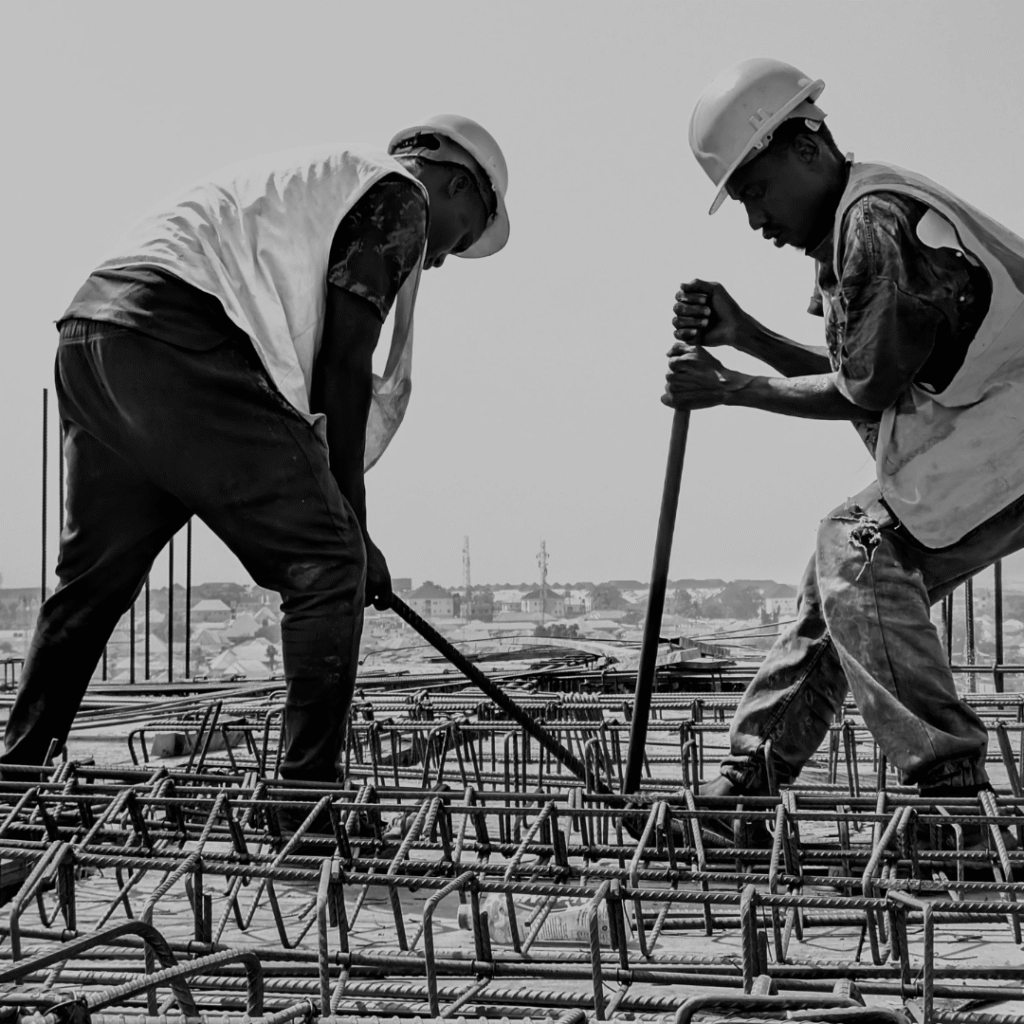
5. Construction Method & Supervision Level
The way a home is built affects cost just as much as what is built.
Cost varies based on:
Skilled labor vs untrained labor
Engineer-led execution vs contractor-only execution
Regular quality checks vs minimal supervision
Proper curing time vs rushed timelines
Well-supervised projects may cost slightly more but deliver:
Better finish
Stronger structure
Fewer defects
Peace of mind
6. Waterproofing, Insulation & Hidden Systems
Many cost differences come from things you don’t see after construction:
Terrace waterproofing systems
Bathroom and kitchen damp-proofing
External wall weather protection
Heat insulation for roofs
Anti-termite treatments
Skipping or minimizing these saves money initially—but often leads to:
Leakage
Damp walls
Mold
Frequent repairs
A well-built home invests in protection, not patchwork.
7. Finish Quality Is Only One Part of the Cost
People often assume tiles, paint, and fittings are the main cost drivers. In reality:
Finishes are visible, but structure is foundational
Premium homes invest more in engineering than decoration
Two homes may use similar tiles, but one may have:
Better load distribution
Superior waterproofing
Stronger foundation
Longer life expectancy
That difference reflects in cost.
8. Long-Term Thinking vs Short-Term Budgeting
The biggest reason for cost variation is mindset.
One home is built to last 15–20 years
Another is built to last generations
Cutting corners reduces initial cost—but increases:
Maintenance expenses
Repair stress
Structural risks
Quality construction is not an expense—it’s an investment.
Final Thoughts
Two homes of the same size can cost very differently because construction is not just about area—it’s about engineering, materials, execution, and foresight.
At Shyam Constructions, residential projects are planned with:
Site-specific engineering
Long-term durability in mind
Transparent material choices
Strong structural foundations
Because a home should not just look good on day one—
It should stand strong for decades.