
Get In Touch
Waste-to-Value Construction: Turning Site Debris Into Usable Material
In a rapidly urbanizing world, the construction sector faces two big challenges:
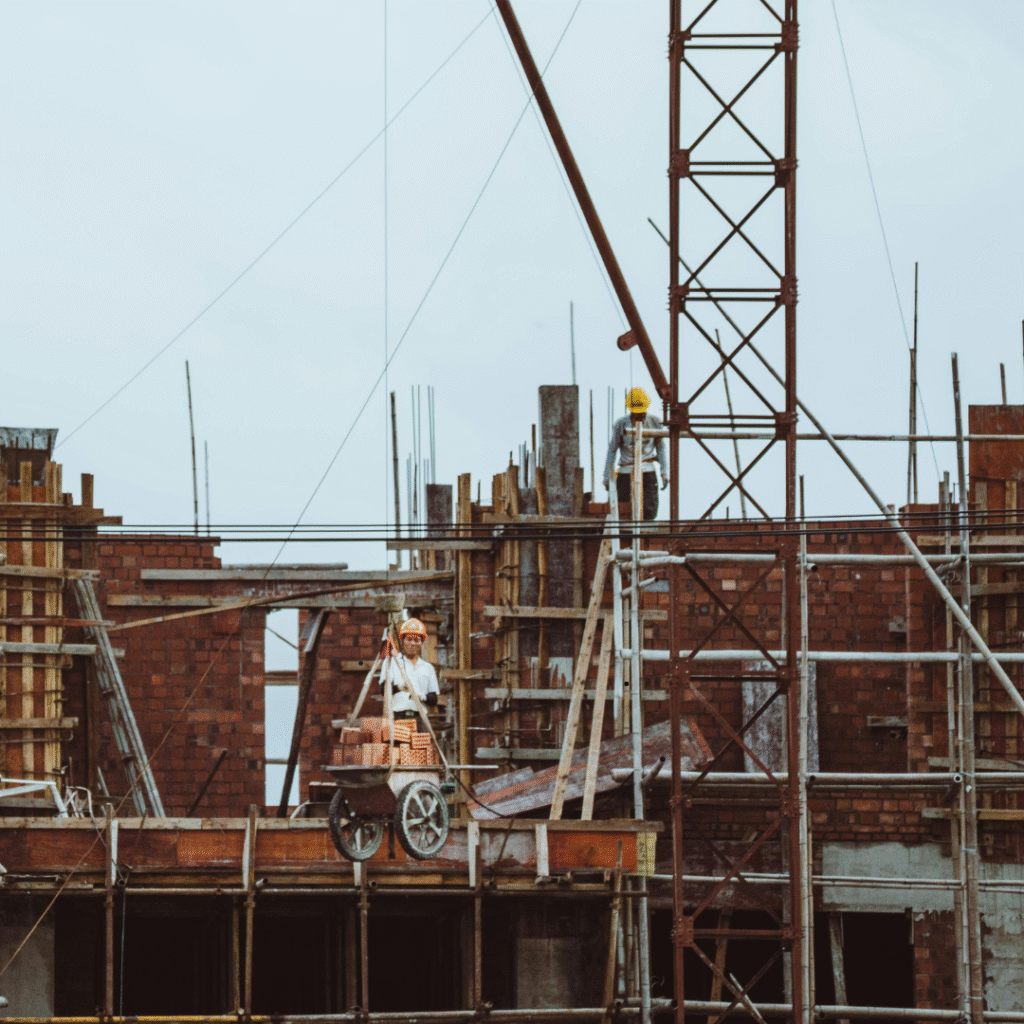
rising material costs and mountains of waste generated on every project. Traditionally, debris—from broken bricks to concrete chunks—was treated as a burden. But forward-thinking construction companies are now shifting to a waste-to-value approach, transforming leftovers into valuable building resources.
This isn’t just a sustainability trend. It’s a smarter, cost-efficient way to build.
Why Construction Waste Needs Rethinking
Construction and demolition waste accounts for hundreds of millions of tonnes globally each year. Most of it ends up in landfills, even though a large portion is recyclable.
For companies, this means unnecessary dumping fees, rising transportation costs, and an environmental footprint that keeps getting heavier.
Waste-to-value construction flips the script:
Instead of sending waste out, companies pull new value from it.
What Exactly Is Waste-to-Value?
It’s the practice of repurposing, recycling, or regenerating construction waste into usable products that can be integrated back into projects.
This keeps materials inside the construction loop—saving money, reducing carbon impact, and supporting circular economy goals.
Here’s what waste-to-value can include:
Converting concrete into recycled aggregates
Turning excavated soil into stabilized blocks
Repurposing steel, wood, and tiles directly on-site
Crushing bricks into paver bases or filler material
Converting wood waste into engineered wooden panels
Reusing formwork materials across multiple projects
Types of Construction Waste That Can Be Repurposed
1. Concrete & Masonry Waste
Crushed and screened to create aggregates for pavements, sub-base layers, and even new concrete mixes.
Can reduce fresh aggregate use by up to 30–40%.
2. Steel & Metal Scraps
100% recyclable without quality loss.
Re-enters the supply chain as reinforcement bars or fabrication material.
3. Bricks, Blocks & Tiles
Reused for patchwork, boundary walls, and secondary applications.
Broken bricks can be crushed into landscape chips.
4. Wood Waste
Can be converted into particle boards, MDF panels, or used as temporary site structures.
5. Excavated Soil
Stabilized using lime or cement to create strong, eco-friendly blocks.
6. Glass Waste
Crushed to create decorative aggregates, tiles, or sand substitutes.
On-Site Techniques That Make Waste-to-Value Possible
1. Mobile Crushers & Screening Machines
These break down concrete, bricks, and debris right at the site—saving on transportation and enabling instant reuse.
2. Material Segregation Zones
Separate bins for steel, wood, concrete, and soil help maintain quality for recycling.
3. Smart Waste Mapping
Digital tools track how much waste is generated, recycled, and reused—improving planning for future projects.
4. Prefabrication & Modular Construction
Reduces waste at the source by optimizing material use.
How Waste-to-Value Saves Costs
Lower purchase of raw materials (recycled aggregates are far cheaper).
Reduced transportation and dumping fees.
Faster work cycles with ready-to-use recycled material.
Higher profit margins on large projects with repeatable recycling strategies.
Many companies report 15–25% cost savings on projects that adopt waste-to-value techniques consistently.
Environmental Benefits
Reduces landfill pressure and pollution
Cuts carbon emissions associated with mining and transporting fresh material
Encourages circular construction practices
Enhances green building ratings (IGBC, GRIHA, LEED)
Real-Life Applications
Road sub-base layers made from recycled concrete
Eco-friendly paver blocks using recycled aggregates
Stabilized earth blocks for low-rise projects
Recycled steel for structural work
Modular components built from repurposed wood and formwork
More developers now specifically request low-waste or recycled-material construction, giving companies a competitive advantage.
The Future: Zero-Waste Construction Sites
The next era of construction is moving towards zero-waste job sites, where:
All materials are tracked digitally
Waste is treated as “raw material in the wrong place”
Recycling units operate alongside construction teams
Contractors receive incentives for low-waste delivery
With rising environmental regulations and growing client expectations, waste-to-value is no longer optional—it’s the future of efficient, responsible construction.
Conclusion
Waste-to-value construction transforms what was once a liability into an asset. For modern construction companies, it offers a triple win:
lower costs, reduced environmental impact, and smarter material use.
By adopting on-site recycling, digital tracking, and circular design strategies, companies can lead the shift toward a cleaner, more profitable construction ecosystem.